 Image 1 of 2
 Image 2 of 2
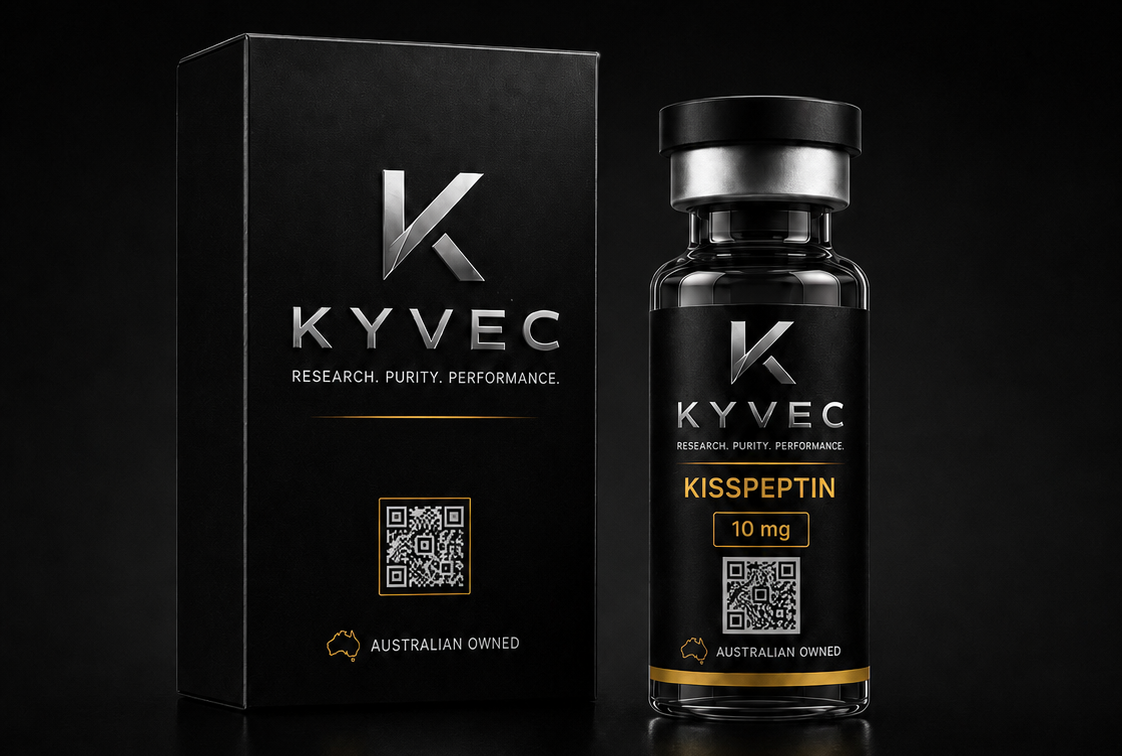
Kisspeptin is commonly studied for how it may influence reproductive hormone signalling. Researchers often look at it in studies involving hormone communication, fertility-related markers, and general endocrine function.
In simple terms, it is usually researched to see whether it may help signal the body to start or strengthen hormone-related communication, which may affect reproductive and hormone-balance markers over time.
Research use only.
Key Highlights
Kisspeptin is commonly studied for how it may influence reproductive hormone signalling. Researchers often look at it in studies involving hormone communication, fertility-related markers, and general endocrine function.
In simple terms, it is usually researched to see whether it may help signal the body to start or strengthen hormone-related communication, which may affect reproductive and hormone-balance markers over time.
Research use only.
Key Highlights